When we step into our gardens, we feel proud and happy. Gardening is a hobby that helps us relax and connect with nature. It’s fun to grow herbs and flowers.
At My Garden Life, we’re here to help you start your gardening journey. We’ll give you tips and advice on growing plants. You’ll learn about choosing the right plants and the importance of good soil.
By the end of this article, you’ll be ready to grow your own plants. You’ll enjoy the many benefits of gardening.
Understanding the Basics of Gardening
For those new to gardening, learning the basics is key. We’ll help you get started with a solid foundation. This will make your gardening journey easier.
What is Gardening?
Gardening means growing and caring for plants in a special place. You need to prepare the soil and choose the right plants. Gardening for beginners can start with simple plants like herbs or veggies.
Key Gardening Terms to Know
Knowing gardening terms is important. Terms like ‘perennial’ (plants that live more than two years) and ‘composting’ (making soil from organic matter) are key. Learning these will help you understand gardening better.
- Perennial: Plants that live more than two years.
- Annual: Plants that complete their life cycle in one year.
- Composting: Decomposing organic matter to create nutrient-rich soil.
Benefits of Starting a Garden
Starting a garden has many benefits. You can grow your own food and help the planet. It also makes you feel good to be outside.
Gardening lets you meet new people and share food with neighbors. It’s a hobby that everyone can enjoy, no matter their age or skill.
Choosing the Right Plants for Beginners
Starting a garden is exciting. First, pick plants that fit your climate and soil. The right plants make gardening fun and rewarding.
Best Plants for Beginners
When starting a garden, pick easy plants. Good choices include:
- Herbs like basil and mint
- Vegetables such as tomatoes and lettuce
- Flowers like marigolds and sunflowers
These plants are easy to care for. They also make you feel proud as they grow.
Considering Your Climate and Soil
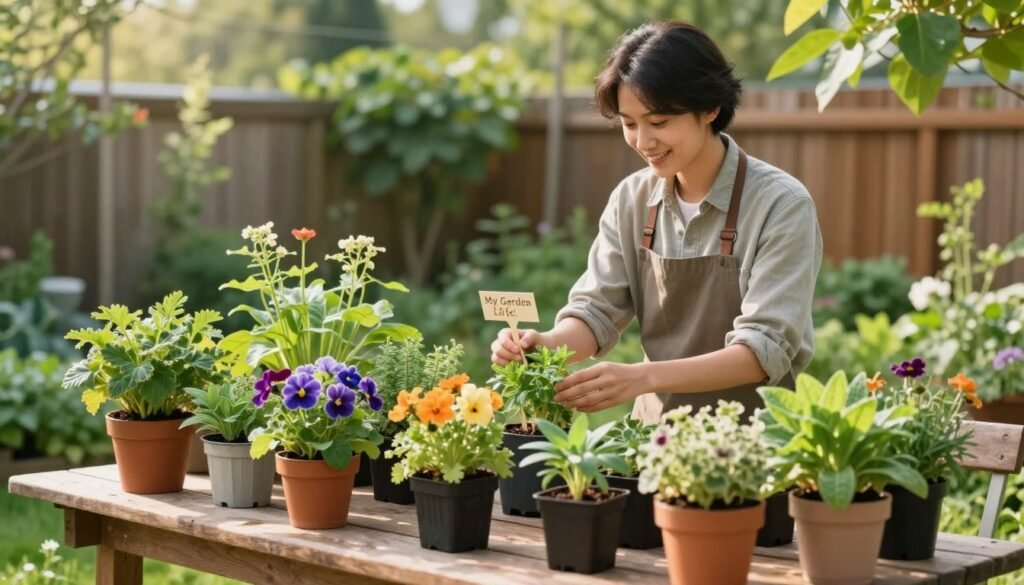
Think about your local weather and soil before picking plants. Plants need different things to grow well. Some like dry soil, others like it wet.
For new gardeners, novice gardening advice is to know what plants need. Look up the needs of the plants you want to grow.
Where to Source Your Plants
After picking plants, find where to buy them. You can get plants at:
- Local nurseries
- Gardening stores
- Online plant retailers
Choose healthy plants from trusted places. This helps your garden start strong.
Essential Gardening Tools for Newbies
To grow a great garden, new gardeners need to know the basic tools. The right tools make gardening easier and more fun. Learning about these tools is key for a good gardening experience.
Must-Have Tools for Beginners
Starting out, you need a few key tools. These tools will help you build a strong garden. Here are the basics:
- a trowel or small shovel for planting and mixing soil
- a garden fork for turning over soil and compost
- a watering can or hose for efficient watering
- a rake for levelling and evening out soil
- a set of gardening gloves for protection
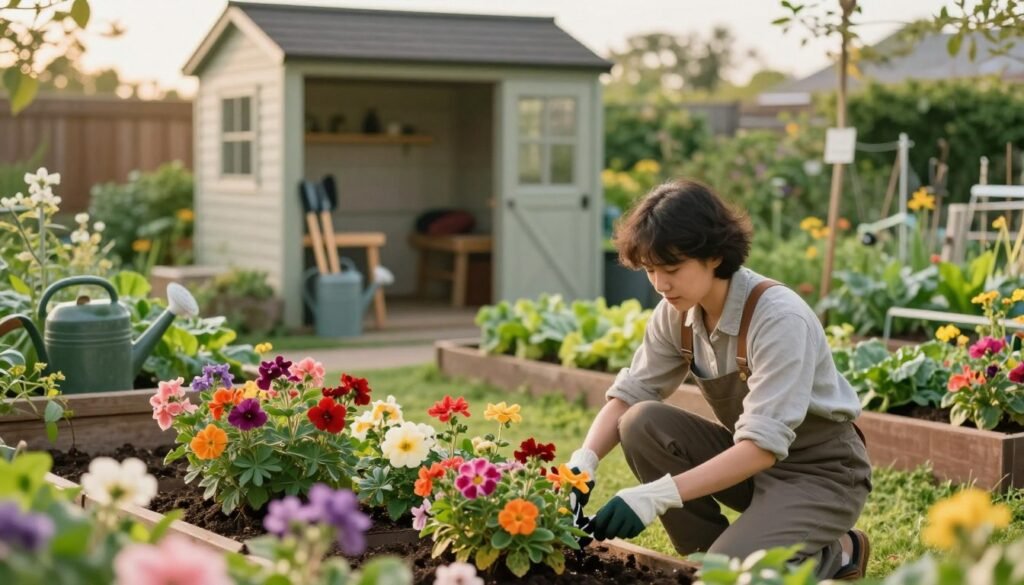
Gardening gloves are very important. They protect your hands from thorns, prickles, and dirt. A good pair makes gardening more comfortable.
Budget-Friendly Tool Options
You don’t have to spend a lot on gardening tools. There are many affordable options that are good quality. Look into:
- second-hand tools from local markets or online platforms
- entry-level tool sets from reputable brands
- DIY or repurposed tools for specific tasks
An old kitchen spoon can be used as a mini trowel for small plants. Being creative can save you money and make gardening fun.
Maintenance of Gardening Tools
To keep your tools in good shape, regular care is important. This includes:
- cleaning tools after each use to prevent rust and soil buildup
- sharpening cutting tools to maintain their effectiveness
- storing tools in a dry, secure location to protect them from the elements
By following these steps, you can make your tools last longer. This helps your garden stay healthy and strong.
Preparing Your Garden Space
The first step in gardening is preparing your garden space. This step is key for your garden to thrive. We’ll help you assess your space, prepare the soil, and plan your garden layout.
Assessing Your Available Space
Before digging, check your garden space. Look at its size, shape, and sunlight. Measure your space carefully to know how many plants you can have.
Soil Preparation Techniques
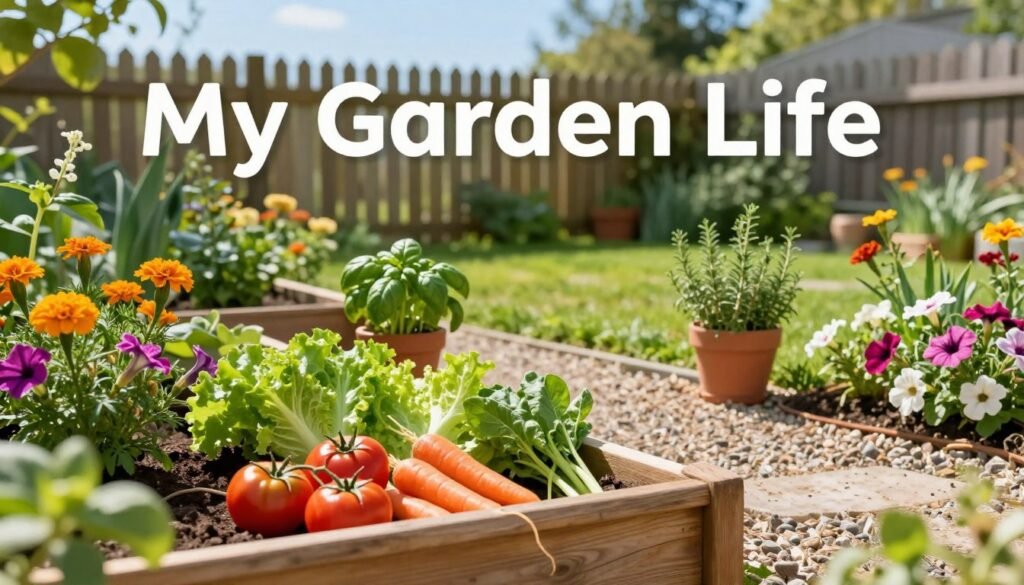
Soil preparation is vital. Test your soil type – sandy, clay, or loamy. Add compost to improve its quality. Compost boosts soil quality, giving nutrients to plants and better drainage.
Creating a Garden Layout
After preparing your space and soil, plan your garden layout. Use companion planting to help plants grow. A good layout makes maintenance easy and looks great.
By following these steps, you’ll start a thriving garden. Remember, gardening is just the beginning. With these ideas, you’ll soon enjoy your garden’s fruits.
Planting Techniques for Success
Gardening is all about the right planting techniques. To make your garden grow well, learn the basics. This means knowing how deep to plant, how to water, and the benefits of planting friends together.
Understanding Planting Depths
Planting at the right depth is key for your plants’ health. Planting too deep can cause stem rot, while too shallow can harm roots. Seeds should be planted as deep as two to three times their size. Seedlings need a depth based on their root ball size. Always check specific guides for each plant, as some have special needs.
Watering Guidelines for New Plants
Watering new plants is very important. Too much water can cause root rot and other problems. Seeds and seedlings need steady moisture, mainly in the first weeks. Water them gently but well, making sure the soil is moist but not soggy. As they grow, their water needs will change, so keep an eye on the soil.
Companion Planting Basics
Companion planting means growing different plants together for better health. Some plants keep pests away, others attract good bugs, and some help the soil. For example, marigolds with tomatoes can keep nematodes away. Knowing which plants go well together can make your garden healthier and more diverse. Start with easy pairs like basil with tomatoes or nasturtiums with cabbage.
Learning these planting tips will help you grow a strong and beautiful garden. For more beginner gardening resources and easy gardening tips, check out our other articles and guides.
Caring for Your Garden
To keep your garden thriving, follow a few simple steps. Caring for your garden is a daily and weekly task. It also involves managing pests and choosing between organic and chemical treatments.
Daily and Weekly Maintenance Routines
Regular care is key for a healthy garden. This includes:
- Watering plants right, avoiding too much water.
- Checking plants daily for stress or disease.
- Weeding often to stop plants from fighting for food.
- Pruning to keep plants in shape and growing well.
Pest Control Strategies
Pests can harm your garden. Good pest control means:
- Finding out what pest you have to pick the right fix.
- Using traps or barriers when needed.
- Trying organic or chemical fixes last.
Keep an eye on your garden to spot pests early.
Organic Vs Chemical Treatments
Choosing between organic and chemical treatments depends on you. Organic methods are good for the earth and soil. Chemicals can solve problems fast but might harm the environment.
- Organic options include compost, manure, and green manure.
- Chemical fertilisers give quick nutrients but must be used carefully.
As you get more experience, you’ll find the right mix for your garden.
Seasonal Gardening Tips
Knowing what your garden needs by season is key to its success. As a beginner, it might seem hard to keep up with the seasons. But with the right advice, you can make your garden flourish all year.
Preparing for Winter
When winter comes, your garden needs special care. You must protect your plants from frost. Also, clear away dead leaves and plan for winter crops.
Some plants, like Brussels sprouts and kale, love the cold. Think about adding these to your winter garden.
Spring Planting Strategies
Spring is when gardeners get busy. Start by preparing your soil with compost and manure. Then, plan when to plant.
Use companion planting to save space and fight pests. Plants like marigolds and nasturtiums can help keep pests away.
Summer and Autumn Care
In summer, keep your garden watered and weed-free. As autumn comes, start harvesting your crops. Also, get your soil ready for next season.
Add organic matter like compost to improve soil health. This will help your garden stay healthy and productive all year.
Gardening is a journey. With practice, you’ll get better at handling any season. Keep trying, and you’ll grow in confidence and skill.
Joining a Gardening Community
Starting a garden can be exciting. Connecting with others makes it even better. Joining a gardening community offers support, tips, and inspiration.
Local Gardening Groups
Local gardening groups are great for sharing ideas. You can learn from others and get advice for your area. Many groups meet often, offering a chance to network and get hands-on help.
Online Resources
Online forums and social media are good for those who like digital chats. They are full of gardening knowledge. Many experienced gardeners are ready to share their tips and advice.
Sharing Experiences
Sharing your own gardening stories is valuable. It helps others and boosts your own learning. This way, everyone grows and supports each other in the gardening world.