Do you dream of turning your outdoor area into a green paradise? At “My Garden Life”, we get it. We’re here to help beginners like you.
Gardening is more than a hobby; it’s a way to connect with nature and feel better. Our beginner tips will show you how to grow a beautiful garden. It will make your life happier and more peaceful.
We want to give you the skills and confidence to begin your gardening adventure. With our advice, you’ll soon have a beautiful outdoor space. A place you’ll want to spend lots of time in.
Understanding Your Gardening Environment
To grow a great garden, knowing your environment is key. At My Garden Life, we think a good garden starts with knowing how plants grow.
Your garden’s environment affects your plants’ health and growth. By understanding these factors, you can create the best place for your plants to grow.
Assessing Soil Quality
Soil quality is very important in gardening. It gives plants the nutrients and water they need. To check your soil, squeeze a handful of moist soil.
If it falls apart easily, it’s sandy. If it holds together tightly, it’s clay-based. For a deeper look, you can send a soil sample to a lab or use a DIY kit. Knowing your soil’s pH and nutrients helps pick the right food for your plants.
Sunlight Requirements
Sunlight is also very important. Most plants need at least six hours of direct sunlight a day. Watch your garden to see where the sun shines the most.
For shaded areas, pick plants that don’t need much sun. Or, try to get more sunlight by pruning trees or using mirrors.
Climate Considerations
Knowing your local climate is crucial for gardening. Different plants like different temperatures and weather. Find out what your plants need and if it matches your area’s weather.
Watch the weather forecast to get ready for extreme weather. This way, you can keep your plants safe and have a good harvest.
Choosing the Right Plants
At My Garden Life, we think picking the right plants is crucial for a good garden. As a beginner, start with easy-to-grow plants. This will help you have a great start in gardening.
Native Plant Options
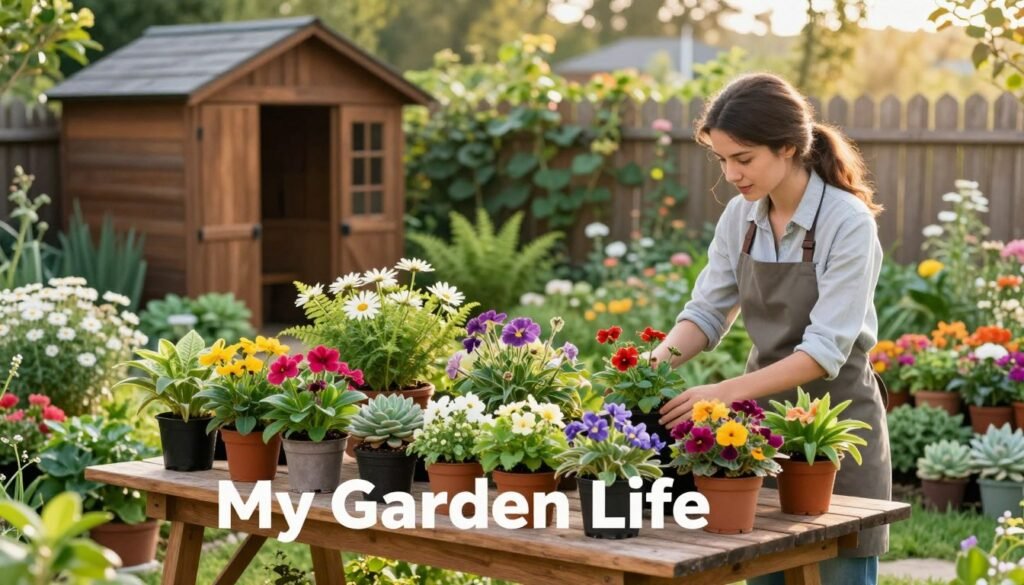
Choosing native plants is a simple gardening tip for beginners. These plants fit well with your local climate and soil. Here’s why native plants are good:
- They need less water and care.
- They fight off local pests and diseases better.
- They help local wildlife.
Seasonal Planting Tips
Knowing when to plant is key for starting a garden for beginners. Plants do best in different seasons. Here are some tips for each season:
- Spring: Plant peas, lettuce, tulips, and daffodils.
- Summer: Keep planting tomatoes, cucumbers, and sunflowers.
- Autumn: Plant broccoli and kale.
- Winter: Protect your soil and plan for next year.
By using these simple gardening tips for beginners, you’ll grow a great garden. Gardening is a journey. It’s okay to learn and change as you go.
Essential Gardening Tools for Beginners
At My Garden Life, we think the right tools are key for beginners. Gardening is rewarding but needs the right gear for fun and success.
It’s important to know the basic tools every gardener needs. These tools make gardening easier and keep your garden healthy and beautiful.
Must-Have Tools
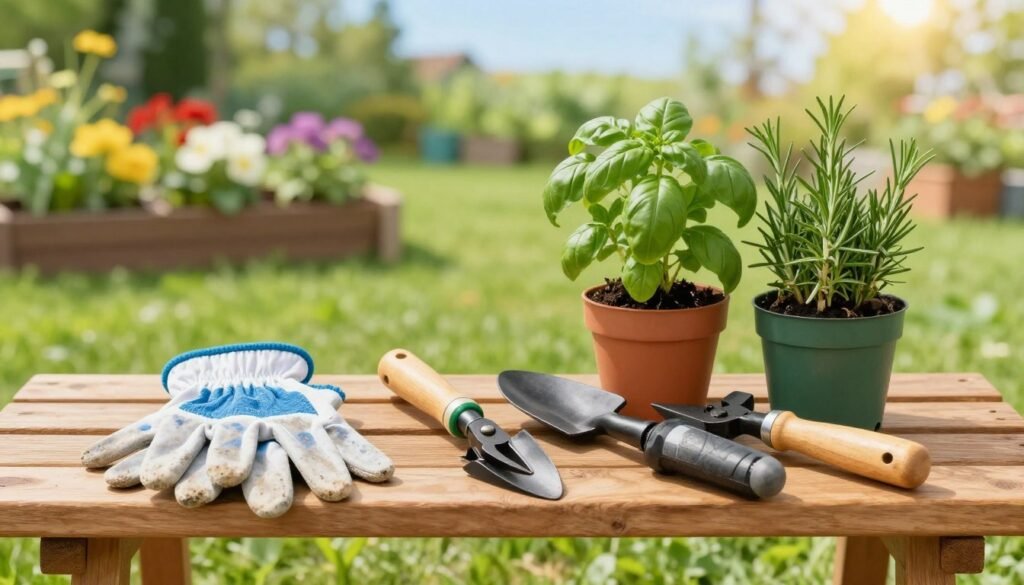
Starting your gardening journey means getting some essential tools. These include:
- Gardening Gloves: Keep your hands safe from thorns and prickles.
- Hand Trowel or Small Shovel: Great for digging small holes and moving plants.
- Rake: Helps level soil and clear debris.
- Watering Can or Hose: Crucial for watering your plants right.
- Pruning Shears: Needed for cutting and shaping plants.
Tool Maintenance Tips
To keep your gardening tools in top shape, regular care is key. Here’s how:
- Clean Your Tools: Clean them after each use to stop disease spread.
- Sharpen Blades: Keep the blades of your shears and other tools sharp.
- Store Properly: Keep tools in a dry spot to avoid rust and damage.
With these tips and the right tools, beginners can enjoy gardening more. At My Garden Life, we aim to give you easy gardening tips for newcomers and basic gardening tips for beginners to help you succeed.
Planting Techniques for Success
Effective planting techniques are key to a thriving garden. At My Garden Life, we help beginners learn these skills. They are essential for a successful garden.
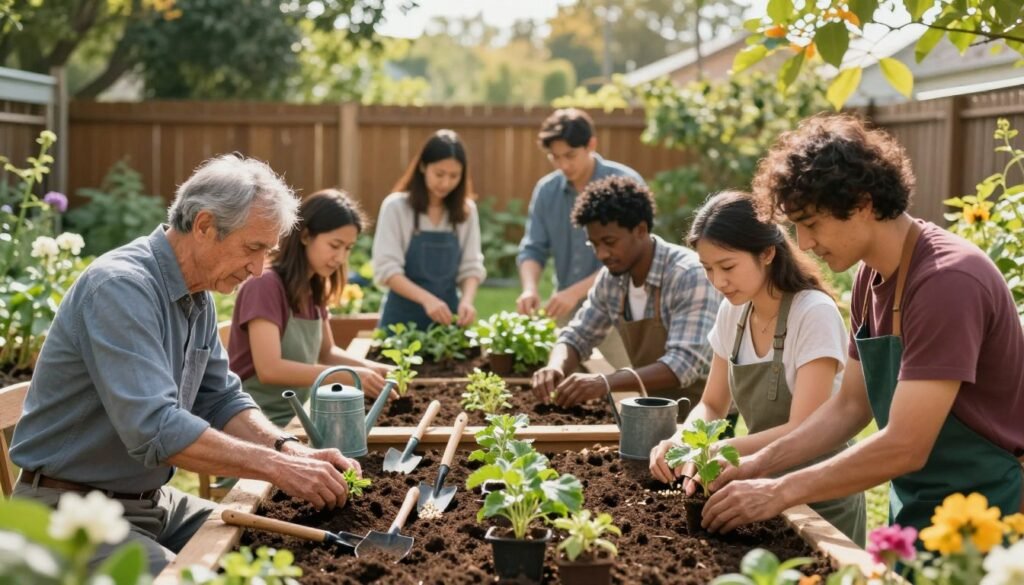
Choosing the right method for planting is vital. You can sow seeds directly or transplant seedlings. The choice depends on the plant, soil, and your preference.
Sowing Seeds vs. Transplanting
Sowing seeds directly is cost-effective. It lets you control the soil. But, it needs careful planning and attention to soil conditions.
Transplanting seedlings gives plants a head start. It’s good for slow-growing plants. You can care for seedlings before moving them to the garden.
- Sow seeds for plants like carrots and radishes directly into the soil.
- Transplant seedlings for plants like tomatoes and peppers.
Proper Watering Techniques
Watering is crucial. Too much water can harm plants, while too little can stress them. Water deeply but not often to help roots grow.
Watering at the right time is also crucial. Water in the early morning or late afternoon. This reduces evaporation and helps plants absorb water.
- Check soil moisture by inserting a finger into the soil.
- Water plants when the top inch of soil feels dry.
- Avoid getting water on the leaves to prevent fungal diseases.
Mastering these techniques will help you create a thriving garden. Remember, practice makes perfect. Don’t get discouraged by early setbacks.
Maintaining Your Garden
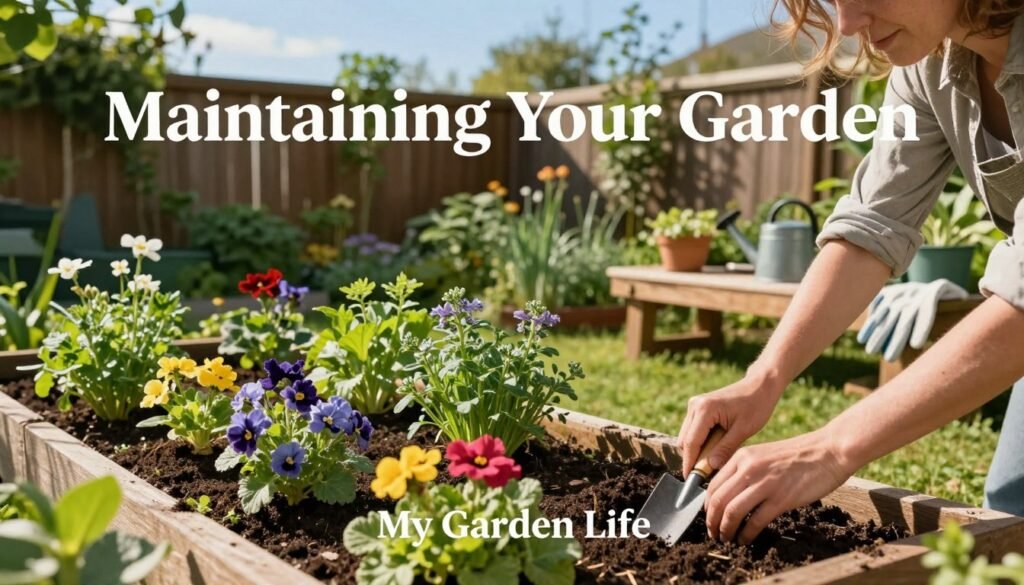
To keep your garden healthy, ongoing maintenance is key. At My Garden Life, we see gardening as a journey. Regular care keeps your garden looking good and your plants healthy.
Weeding Regularly
Weeding is a crucial task. Weeds take water, nutrients, and light from your plants. Regular weeding stops this and lets your plants grow well.
Tips for Effective Weeding:
- Weed often to stop weeds from taking over.
- Take out weeds by the roots to stop them coming back.
- Use a hoe or hand weeder for quick weeding.
Pest Control Strategies
Pests can harm your garden. It’s important to use good pest control. We suggest using physical barriers, organic methods, and biological controls.
Effective Pest Control Methods:
- Use physical barriers like fine mesh to keep insects away.
- Try organic pest control like neem oil or insecticidal soap.
- Attract beneficial insects like ladybugs and lacewings to eat pests.
Fertilising Your Plants
Fertilising is key for plant growth. The right fertiliser depends on your plants’ needs.
Fertilising Tips:
- Check your soil to see what nutrients it has.
- Pick a fertiliser that fits your soil’s needs.
- Fertilise when your plants are growing fast.
Follow these tips to keep your garden healthy and thriving. At My Garden Life, we’re here to help you succeed in gardening.
Seasonal Gardening Practices
At My Garden Life, we think knowing seasonal gardening is vital. As seasons change, so do garden needs. Adjusting your gardening to the season keeps your garden healthy and growing.
Spring Gardening Tips
Spring is a time of new beginnings in the garden. It’s great to start fresh and get your garden ready for growth. Start by clearing winter debris. This makes your garden clean and lets you see what needs fixing.
Then, check your soil. Spring is a good time to test and improve it. Adding compost can make your soil better for plants.
- Prune any damaged or dead branches from trees and shrubs.
- Start sowing seeds for early spring crops.
- Apply a layer of mulch to retain moisture and suppress weeds.
Preparing for Winter
As the gardening season ends, prepare your garden for winter. This means a few important tasks to protect plants and soil from cold.
First, clean your garden well. Remove dead plants, weeds, and debris to stop disease next year.
It’s also key to protect your soil. Use mulch or compost to keep it warm and stop erosion. For delicate plants, add extra protection like fleece or indoor space.
- Drain and store any hoses to prevent freezing.
- Protect tender bulbs with a layer of mulch or straw.
- Bring sensitive plants under cover to shield them from harsh winter conditions.
By following these tips, your garden will stay vibrant and healthy all year.
Resources for Ongoing Learning
As we keep gardening, it’s vital to keep learning and getting better. At My Garden Life, we think learning more is key to being a great gardener. Whether you’re new or just starting, there are lots of ways to learn and grow.
Gardening Literature
For those who like to read, there are many great gardening books. “The New RHS Plant Finder” and “The Vegetable Gardener’s Bible” by Edward C. Smith are excellent. They give you lots of tips and advice to improve your gardening.
Online Resources and Communities
Online tutorials and communities are also great for learning. The Royal Horticultural Society’s (RHS) website and My Garden Life’s forums are full of useful info. By using these, you can learn the latest gardening tips and tricks.
## FAQ
### Q: What are the best gardening tips for beginners to start with?
Start by checking your soil, knowing how much sun it needs, and picking plants that fit your area. These tips will help you grow a great garden.
### Q: How do I assess the soil quality in my garden?
To check your soil, test its pH and nutrient levels. You can buy a kit or ask a nursery for help. Knowing your soil helps pick the best plants and care for them.
### Q: What are the most essential gardening tools for beginners to have?
Beginners need a trowel, rake, watering can, and pruning shears. These tools make gardening easier and help you care for your garden.
### Q: How often should I water my plants?
Watering depends on the plant, soil, and weather. Check the soil often and water when needed. Too much water can harm your plants.
### Q: What are some effective pest control strategies for my garden?
To fight pests, use beneficial insects, keep your garden clean, and try organic methods. These steps help keep your garden healthy and pest-free.
### Q: How can I prepare my garden for winter?
To get your garden ready for winter, remove dead plants, mulch, and protect plants from frost. These steps help your garden survive the cold and bloom again in spring.
### Q: Where can I find more gardening advice and resources?
Look for online tutorials, join gardening groups, and read books. Learning more will make you a better gardener.