Can a simple garden really change your home’s look and help the planet? We think it can. At “my garden life,” we love helping you grow a home garden. It makes your home look better and helps the environment.
Our guide covers the basics of sustainable gardening and gives you useful tips on garden maintenance. These tips help you make a beautiful garden that also helps the planet.
We’ll talk about the good things a home garden can do. We’ll also share our knowledge on using your outdoor space well. Our guide is for everyone, whether you’re new to gardening or have been doing it for years.
Understanding the Basics of House Gardening
House gardening is a hobby that makes your home look better and healthier. It’s not just about plants. It’s about creating a better living space.
What is House Gardening?
House gardening means growing plants inside your home. You pick plants that do well indoors. They can handle little light or lots of sun.
Effective house gardening means knowing what plants need. This includes light, water, and food.
Benefits of House Gardening
House gardening has many benefits. It makes your home look nicer and improves the air. It also removes bad stuff and adds oxygen.
Looking after plants can also help you relax. It can make you feel better and even lower your blood pressure.
Choosing the Right Plants
Picking the right plants is key to a good house garden. Some plants are better for indoors than others.
For example, succulents and air plants are easy to care for. They’re great for beginners or those who don’t have much time. Plants with nice leaves or bright flowers can make your home look beautiful.
Planning Your House Garden Layout
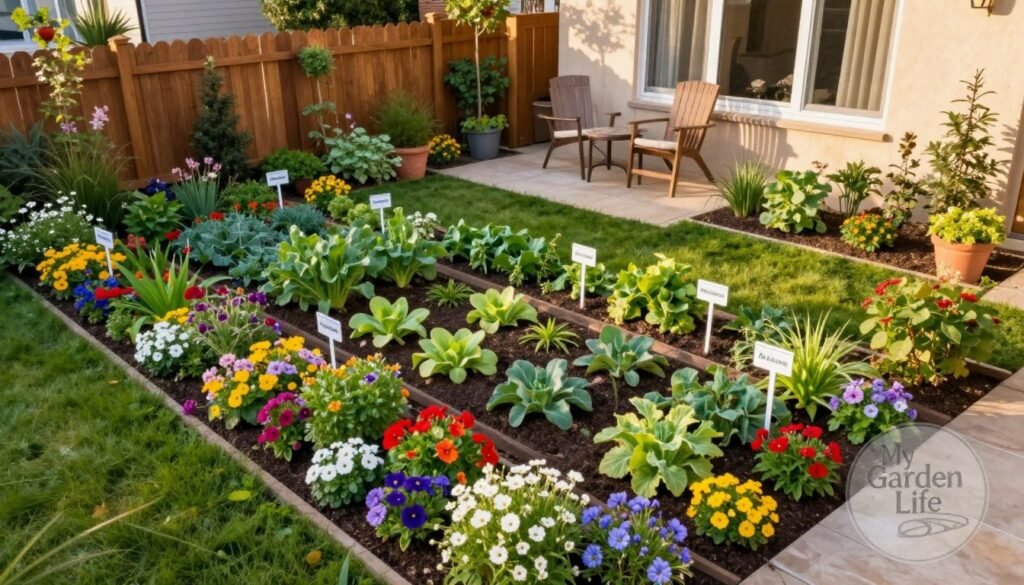
Before you start planting, it’s key to plan your house garden layout well. A good plan helps you make a garden that looks great and works well. It should match your outdoor decor and home style.
Assessing Your Indoor Space
To plan your garden, first look at your indoor space. Think about your room sizes and where windows and doors are. This tells you how much sunlight you get and where to put plants.
Notice where sunlight is direct, partial, or full shade. This is important for picking the right plants. Also, think about your home’s temperature and humidity. These affect how plants grow.
Light Requirements for Different Plants
Plants need different amounts of light. Some, like succulents, love bright sunlight. Others, like ferns, prefer shade. Knowing this helps your garden grow well.
Choose plants that fit your home’s light. You can also use grow lights to help with sunlight, especially in winter or dark rooms.
Creating a Balanced Arrangement
A balanced garden looks good. Think about plant sizes, shapes, and colors. Grouping similar plants or mixing them adds interest.
Make sure plants have enough space for air and growth. Use decorative pots to add style. This makes your garden beautiful, like a patio renovation improves your outdoor area.
Selecting Appropriate House Plants
Choosing the right plants is key to a great house garden. Think about your lifestyle and how much time you have to care for plants. Consider the light they need and what you like.
Best Plants for Beginners
Start with easy plants if you’re new to gardening. Snake Plants and ZZ Plants are great. They can handle neglect and need little care.
These plants are perfect for those who forget to water. They also do well in low light, great for dark rooms.
Low-Maintenance Varieties
Low-maintenance plants are ideal for busy people. Succulents and Pothos are good choices. They need little water and can handle different lights.
These plants also clean the air, making your home healthier. They’re easy to care for, so you can enjoy gardening without stress.
Seasonal Plant Choices
Change your plants with the seasons for a lively garden. Christmas Cacti and Poinsettias are festive in winter. Azaleas and Hydrangeas brighten up spring.
Rotating plants keeps your garden fresh all year. It lets you try new plants and find your favorites.
Soil and Potting Essentials
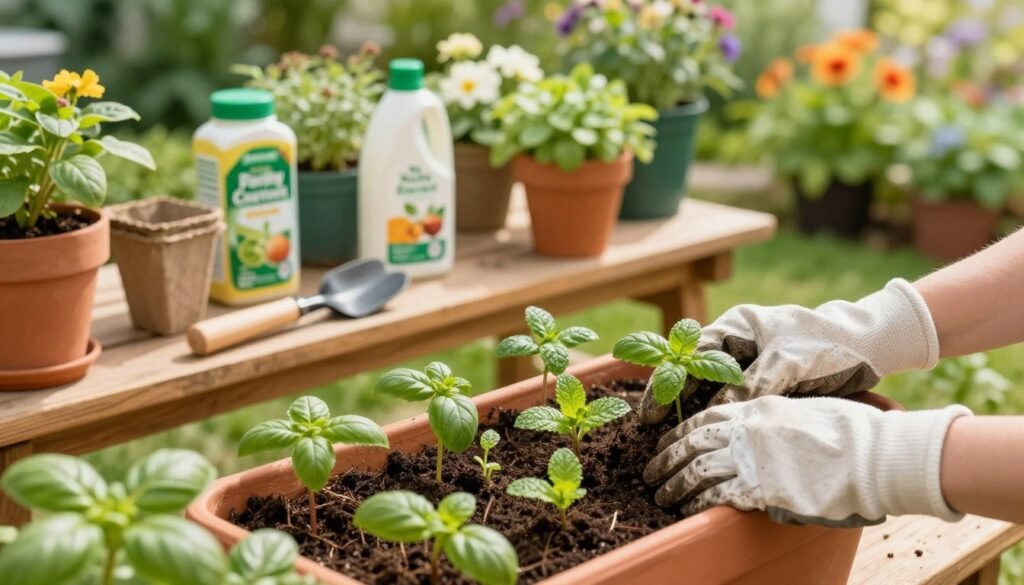
A good potting mix is key for a healthy indoor garden. We’ll look at the important parts of soil and potting for house gardening.
Choosing the Right Potting Mix
Choosing the right potting mix is crucial for your plants’ health. It should keep moisture but also drain water well. Choose a mix made for indoor plants and from sustainable materials if you can.
Look for peat moss, perlite, or vermiculite in the mix. They help with keeping moisture and draining. Some mixes have fertilizers too. You might need to add more, depending on your garden maintenance routine.
The Importance of Drainage
Good drainage stops waterlogged soil. This prevents root rot and other issues. Make sure your pots have holes for water to drain. Adding small rocks or broken pottery at the bottom helps too.
Repotting Techniques for Healthy Roots
Repotting is key for garden maintenance. It refreshes the soil and gives roots room to grow. When repotting, handle the plant gently to avoid damaging the roots.
If the roots are circling, gently tease them apart. Choose a pot only slightly bigger than the old one. This prevents the soil from getting too wet. Water the plant well after repotting and watch it closely for a few weeks.
By focusing on these soil and potting tips, you can make a thriving indoor garden. Regular garden maintenance and repotting keep your plants healthy for a long time.
Watering and Feeding Your House Plants
To keep your indoor garden thriving, it’s key to know what your plants need. Watering and feeding are crucial for house plant care. Getting these right can make a big difference.
Understanding Plant Watering Needs
Every plant is different when it comes to water. The type of plant, its size, the soil, and where it’s kept all affect its water needs.
For example, plants in bright, warm spots dry out quicker than those in cool, shady places.
Fertiliser Options for Indoor Plants
There are many ways to fertilise your indoor plants. You can use synthetic fertilisers for a quick boost or organic options like compost or manure tea for a slow release of nutrients.
The choice depends on your plants and what you prefer in terms of chemicals.
Signs of Over- or Under-Watering
It’s important to know when your plants are getting too much or too little water. Over-watering can cause root rot, while under-watering can stress and cause leaves to drop.
Watch for yellow leaves, droopy stems, or soft, mushy roots. These are signs you need to adjust your watering schedule.
By understanding and meeting your plants’ needs, you can have a lush, vibrant indoor garden. This will make your home feel more welcoming.
Managing Indoor Plant Pests
Keeping pests away is key for a healthy indoor garden. Many pests can harm your plants. Knowing how to spot and deal with them is vital.
Pests Found in Indoor Gardens
Indoor gardens face many pests like spider mites, mealybugs, and scale insects. These pests can damage your plants. Regularly check your plants to catch pests early.
Spider mites make leaves turn yellow or bronze. Mealybugs look like white cotton and weaken plants. Scale insects are hard and suck plant sap.
Natural Methods for Controlling Pests
Natural ways are best for pest control in indoor gardens. They are safe for people and pets. You can use neem oil, insecticidal soap, and introduce good bugs.
Neem oil stops pests from making more. Insecticidal soap kills pests by drying them out.
Using Chemical Treatments Judiciously
Chemicals might be needed sometimes. Always follow the instructions to keep everyone safe. This is important for the environment too.
Using a mix of methods is the best way to control pests. This keeps your garden healthy and green.
Creating an Indoor Garden Aesthetic
Turning your indoor space into a lush oasis is more than just plants. It’s about creating a beautiful and functional space. This can make your home feel more welcoming and show off your style.
To make this happen, we need to think about a few things. We should look at decorative pots, shelves, stands, and other decor. These should all work together with our plants and landscape design.
Incorporating Decorative Pots
Decorative pots are key in making your indoor garden look good. They hold your plants and add to the design of your space. When picking pots, think about the materials, colors, and shapes. They should match your indoor and outdoor decor.
Choose pots that fit your style, whether it’s modern, traditional, or eclectic. Terracotta pots can bring a warm, earthy feel. Sleek ceramic pots can give a modern look.
Using Shelves and Stands for Display
Shelves and stands are vital for showing off your plants and making your garden look good. They help use space well, add depth, and draw the eye to different parts of your garden. Pick shelves and stands that match your plants and decor.
Multi-tiered shelves are great for showing off different plants. Stands can be used to highlight special plants or those with striking leaves.
Adding Additional Décor for a Cohesive Look
To make your indoor garden look cohesive, add decor that fits your style. This could be decorative stones, moss, or other natural things. They can make your plants and pots look even better.
Balance is important when adding decor. Make sure your garden doesn’t get too cluttered. Find a good balance between plants, pots, and decor.
By carefully choosing decorative pots, shelves, stands, and decor, you can make an indoor garden that’s not just alive but also beautiful. It can look as good as a well-done patio renovation.
Maintaining Your House Garden Throughout the Year
To keep your house garden thriving, you need to change how you care for it with the seasons. Knowing what your plants need at different times is key to good house gardening.
Seasonal Care Tips
In spring and summer, your plants need more water and food. But in autumn and winter, they need less water and protection from cold. Changing your care routine with the seasons keeps your garden healthy.
Pruning and Propagating Plants
Pruning is important for keeping your plants looking good and growing well. It also helps them grow new parts that you can use to make more plants. Pruning and propagating help you keep and grow your garden.
Following these tips will help you have a beautiful house garden all year. Our guide has given you the knowledge to care for your plants well. This ensures your indoor garden stays lush and brings joy to your home.